
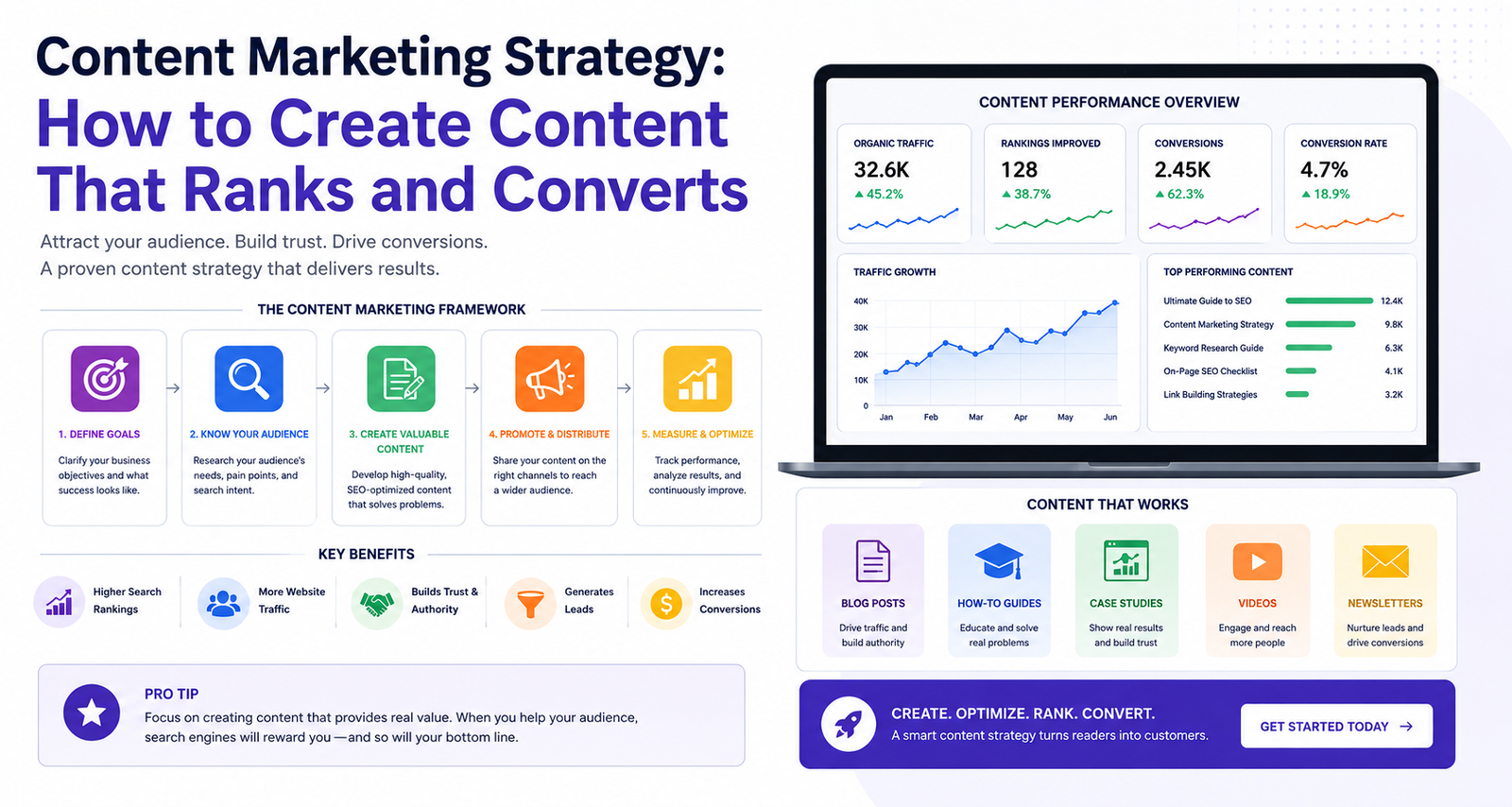
Publishing content for the sake of publishing content is one of the most common – and expensive – mistakes businesses make in digital marketing. Blogs that never rank, social posts with no strategy behind them, and “content calendars” filled with generic topics rarely move the needle. A real content marketing strategy, by contrast, builds organic traffic, establishes authority, and turns readers into customers. With over 20 years of combined experience in content strategy and SEO, the SkyhawkBiz team has developed a framework that consistently produces content that both search engines and real people value. Here’s how to build a content marketing strategy that actually works in 2026. What Is Content Marketing, Really? Content marketing is the strategic creation and distribution of valuable, relevant content designed to attract, engage, and retain a clearly defined audience – ultimately driving profitable customer action. It spans multiple formats: Unlike direct advertising, content marketing works by earning attention and trust rather than interrupting it – which is why it consistently produces higher engagement and lower long-term cost per lead when done correctly. Why Content Marketing and SEO Are Inseparable Content is the fuel that makes SEO work. Without genuinely useful, well-optimized content, there’s nothing for search engines to rank or for backlinks to point toward. Google’s own guidelines emphasize E-E-A-T – Experience, Expertise, Authoritativeness, and Trustworthiness – as core to how content quality is evaluated, meaning thin or AI-generated-without-review content increasingly struggles to rank. Effective content marketing in 2026 requires: Step 1: Audience and Keyword Research Before writing anything, understand exactly who you’re writing for and what they’re searching for. This involves: Step 2: Build a Content Pillar Strategy Rather than publishing disconnected, random topics, organize content around pillar pages (broad, comprehensive guides on core topics) supported by cluster content (specific, related subtopics that link back to the pillar). This structure: Step 3: Create Content That Actually Delivers Value The difference between content that ranks and converts versus content that sits unread often comes down to depth and specificity: Step 4: Optimize for Search Without Sacrificing Quality On-page optimization should feel invisible to readers while still signaling relevance to search engines: Step 5: Promote and Distribute Content Publishing content is only half the strategy – distribution determines whether it gets seen: Step 6: Measure What Matters Track content performance against real business outcomes, not just traffic volume: Common Content Marketing Mistakes Content Marketing for Different Business Types How to Choose a Content Marketing Partner Look for an agency or team that: The Impact of AI on Content Marketing in 2026 AI tools have transformed how content gets researched, drafted, and produced, but they’ve also raised the bar for what qualifies as genuinely valuable content. Search engines have become increasingly capable of identifying generic, unedited AI output – meaning businesses that use AI purely to mass-produce shallow content are seeing diminishing returns. The businesses winning with content marketing in 2026 typically use AI as an efficiency tool within a human-guided strategy: Repurposing Content for Maximum ROI One of the most underused content marketing tactics is systematically repurposing a single piece of cornerstone content into multiple formats, multiplying its reach without multiplying the research and strategy work behind it: This approach maximizes the return on the time invested in original research and writing, while reinforcing consistent messaging across every channel your audience uses. Frequently Asked Questions About Content Marketing How often should a business publish new content? Consistency matters more than sheer frequency. Many successful content strategies publish 2-4 high-quality pieces per month rather than daily low-effort posts, prioritizing depth over volume. How long does content marketing take to show ROI? Content marketing typically takes 4 to 6 months to show meaningful organic traffic gains, with compounding returns building over 12+ months as a content library and backlink profile grow. Should every blog post target a specific keyword? Ideally yes, though not every piece needs to target a high-volume commercial keyword. Some content serves brand awareness, thought leadership, or top-of-funnel education, which still supports the overall content ecosystem even without directly driving conversions. Is long-form content always better than short-form? Not universally – content length should match search intent. A quick factual query deserves a concise answer, while a comprehensive guide topic genuinely benefits from depth. Matching format to intent matters more than a fixed word count target. Content Marketing Is a Compounding Asset Unlike paid advertising, which stops generating results the moment spending stops, well-crafted content marketing continues to attract traffic, build authority, and generate leads for years after publication. The businesses that win with content marketing treat it as a long-term strategic investment – grounded in real audience research, genuine expertise, and consistent optimization – rather than a box to check off a marketing to-do list. At SkyhawkBiz, our content strategists bring over two decades of combined experience crafting content that search engines rank and real customers act on. Ready to build a content strategy that actually drives growth? Get a free content audit from SkyhawkBiz.
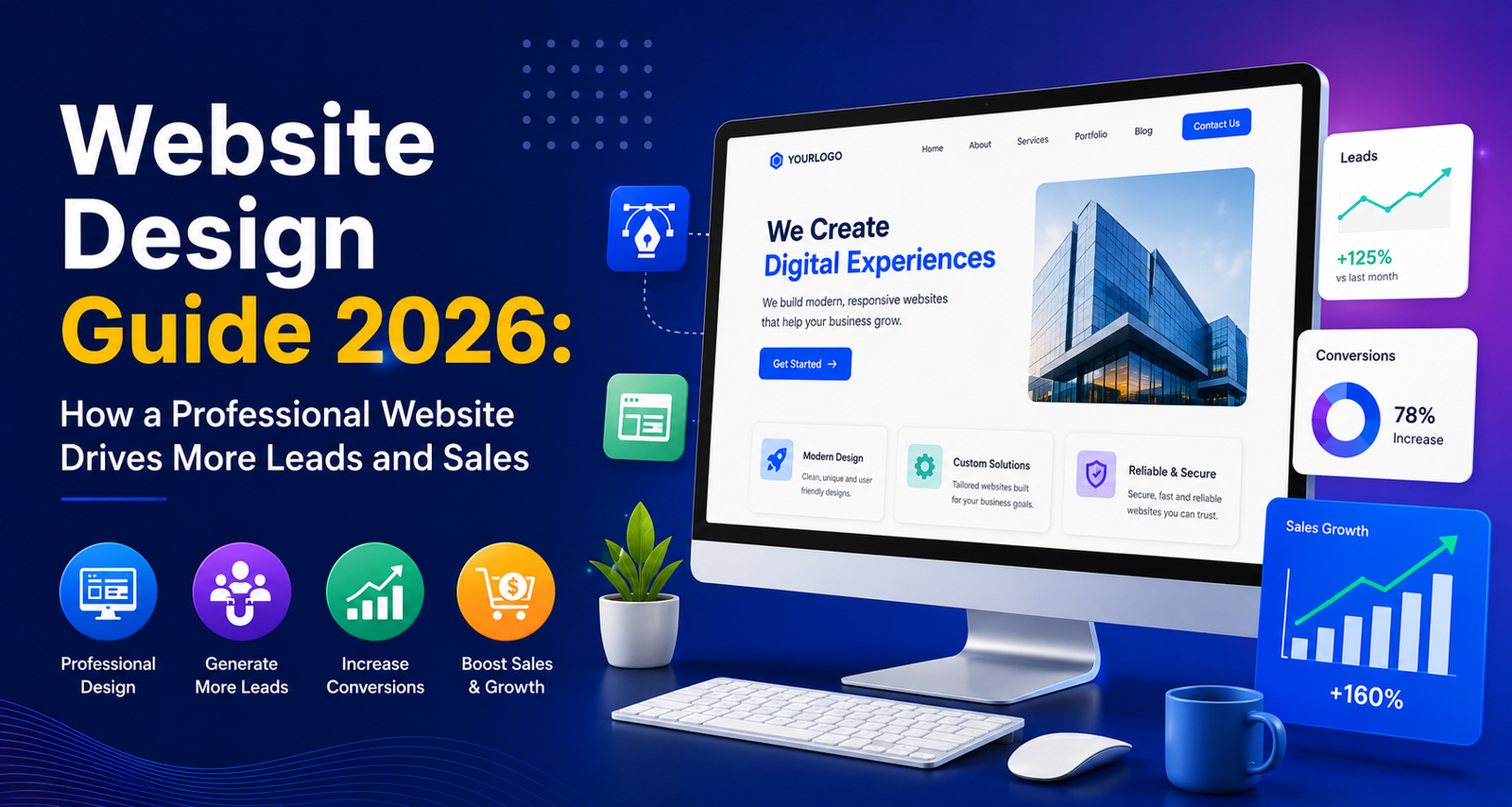
Website Design Guide 2026: How a Professional Website Drives More Leads and Sales
Your website is often the first real interaction a potential customer has with your business – and research consistently shows that users form an opinion about a site’s credibility within seconds of landing on it. In 2026, a slow, outdated, or confusing website doesn’t just look unprofessional; it actively costs you customers to competitors with a smoother experience. With over 20 years of combined experience in web design and digital strategy, the SkyhawkBiz team has seen the direct correlation between website quality and business growth. This guide covers what actually makes a website perform – for users and for search engines alike. Why Website Design Is a Business Growth Driver, Not Just Aesthetics Website design isn’t only about looking polished – it directly impacts core business metrics: Core Elements of Effective Website Design 1. Mobile-First Responsive Design The majority of web traffic today comes from mobile devices, and Google uses mobile-first indexing to determine rankings. A responsive design that adapts seamlessly across devices isn’t optional – it’s foundational. 2. Page Speed Optimization Every additional second of load time increases the likelihood a visitor abandons the page. Key speed factors include image compression, efficient code, reliable hosting, and minimizing unnecessary scripts and plugins. 3. Clear, Intuitive Navigation Visitors should be able to find what they need within a few clicks. Overly complex menus, hidden contact information, or unclear service pages frustrate users and increase bounce rates. 4. Strong Visual Hierarchy Effective design guides the eye naturally toward the most important elements – headlines, calls-to-action, and key value propositions – using size, contrast, and whitespace strategically. 5. Compelling Calls-to-Action (CTAs) Every page should have a clear next step for the visitor, whether that’s “Request a Quote,” “Book a Consultation,” or “Shop Now.” Ambiguous or buried CTAs are one of the most common conversion killers. 6. Trust Signals Testimonials, client logos, certifications, security badges, and case studies reduce hesitation and build the confidence needed for a visitor to convert. Website Design and SEO: Why They Must Work Together A beautiful website that isn’t built with SEO in mind will struggle to be found at all. Design and SEO decisions should be made together, not in silos: Custom Website Development vs. Website Builders Businesses often face this decision early on. Each approach has legitimate use cases: Website builders (Squarespace, Wix, basic WordPress themes) – Faster and cheaper to launch – Suitable for simple sites with limited functionality needs – Can become limiting as business needs grow (custom integrations, advanced e-commerce, scalability) Custom website development – Tailored exactly to business processes, branding, and functionality needs – Better long-term scalability and performance control – Typically delivers stronger SEO foundations due to cleaner code and full customization – Higher upfront investment, but often lower long-term cost when factoring in growth and flexibility For most growing businesses beyond the very early startup stage, a professionally developed custom or semi-custom website (e.g., on WordPress with custom development) strikes the right balance between cost, flexibility, and performance. E-Commerce Website Design Considerations For businesses selling products online, additional design priorities apply: Common Website Design Mistakes That Hurt Conversions How to Evaluate a Web Development Agency When choosing a web design and development partner, look for: Measuring Website Performance After Launch A launch is the beginning, not the end. Track: Accessibility: A Growing Design Priority Website accessibility – ensuring your site is usable by people with visual, auditory, motor, or cognitive impairments – has moved from a niche consideration to a mainstream design requirement. Beyond the ethical case for inclusive design, accessibility increasingly carries legal weight in many jurisdictions, and accessible design principles frequently overlap with strong SEO practices. Key accessibility fundamentals include: Website Maintenance: What Happens After Launch A website is never truly “finished.” Ongoing maintenance protects your investment and prevents small issues from becoming major problems: Businesses that skip ongoing maintenance often see gradual performance decline – slower load times as content accumulates, broken functionality after CMS updates, and increasing vulnerability to security threats. Frequently Asked Questions About Website Design How much should a professional website cost? Costs vary significantly based on complexity, ranging from a few thousand dollars for a straightforward small business site to tens of thousands for custom-developed e-commerce or enterprise platforms with advanced functionality. How long does it take to design and build a website? A typical small-to-medium business website takes 6 to 12 weeks from initial strategy through launch, while more complex custom builds or large e-commerce platforms can take several months. Do I need a new website if my current one is a few years old? Not necessarily a full rebuild, but websites older than 3-4 years often have outdated design conventions, slower performance compared to modern standards, and may be missing mobile optimization improvements – a redesign or significant refresh is often worthwhile. What’s the difference between web design and web development? Design refers to the visual layout, user experience, and branding elements, while development refers to the technical build – the actual coding and functionality that brings the design to life. Most professional projects require both working closely together. Final Thoughts: Your Website Is Your Hardest-Working Employee A well-designed, properly developed website works around the clock – generating leads, answering questions, and building trust even while your team is offline. Treating web design as a strategic investment rather than a one-time expense pays off in every other marketing channel, from SEO to PPC to social media. At SkyhawkBiz, our web development team combines two decades of design and technical experience to build fast, conversion-focused websites that support long-term business growth. Ready to see how your current website measures up? Get a free website audit from SkyhawkBiz.
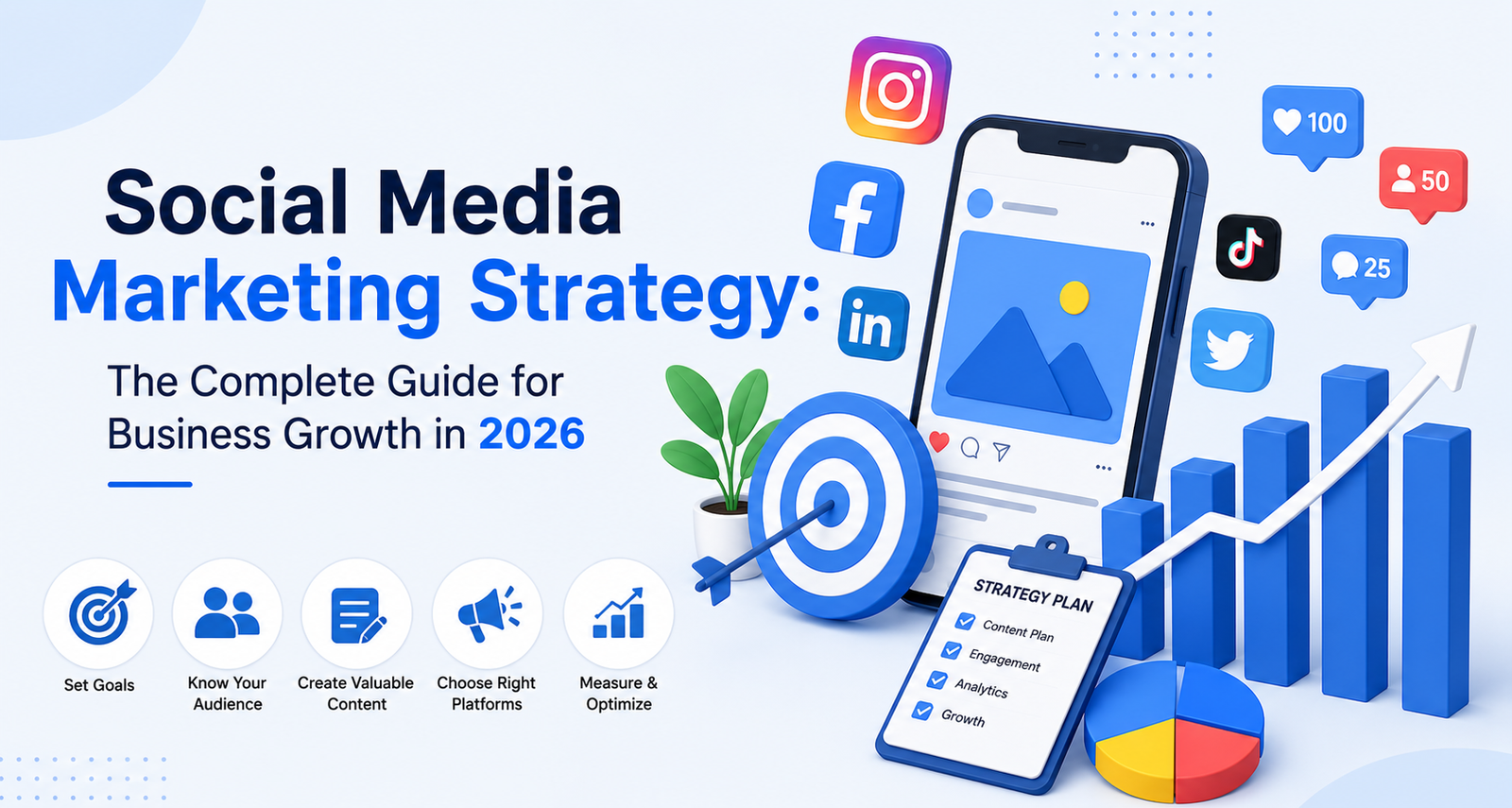
Social Media Marketing Strategy: The Complete Guide for Business Growth in 2026
Social media has evolved from a “nice to have” brand presence into one of the most powerful channels for driving discovery, trust, and direct sales. But posting randomly and hoping for engagement isn’t a strategy – it’s guesswork. In 2026, successful social media marketing requires the same rigor as any other performance channel: clear goals, platform-specific tactics, and consistent measurement. Drawing on more than 20 years of combined digital marketing experience, the SkyhawkBiz team has built social strategies for businesses across industries. This guide walks through exactly how to build a social media marketing strategy that drives real business results – not just vanity metrics. Why Social Media Marketing Matters More Than Ever Social platforms have become primary discovery engines – many consumers, particularly younger demographics, now search social platforms the way previous generations searched Google. Beyond discovery, social media directly influences purchase decisions through social proof: reviews, user-generated content, and influencer endorsement all shape buying behavior before a customer ever visits your website. For businesses, social media marketing (often referred to as SMO – Social Media Optimization) now serves multiple functions simultaneously: Step 1: Define Clear, Measurable Goals Before creating a single post, define what success looks like. Common social media goals include: Each goal requires a different content mix and platform focus, so clarity here shapes everything downstream. Step 2: Choose the Right Platforms for Your Business Not every business needs to be on every platform. Spreading resources thin across five platforms often produces worse results than mastering two that align with your audience. Step 3: Build a Content Strategy, Not Just a Posting Calendar The businesses that win on social media treat content strategically, mixing formats and purposes rather than posting the same promotional content repeatedly. A balanced content mix typically includes: Step 4: Prioritize Engagement Over Vanity Metrics Follower count alone doesn’t pay bills. Platforms increasingly reward – and businesses should prioritize – genuine engagement: Step 5: Leverage Paid Social Strategically Organic reach on most platforms has declined significantly over the years, making paid social amplification increasingly necessary for consistent visibility. Effective paid social strategy includes: Step 6: Track the Metrics That Actually Matter Move beyond follower count and vanity likes. Track: Common Social Media Marketing Mistakes How Social Media Marketing Supports SEO and Overall Growth While social signals aren’t a direct Google ranking factor, social media indirectly supports SEO and broader digital marketing performance by: Choosing a Social Media Marketing Partner Look for an agency that: Building a Content Calendar That Actually Works A content calendar keeps your social strategy organized and consistent, but an effective one goes beyond simply scheduling post dates. It should map: Influencer and Partnership Marketing Influencer marketing has matured from a novelty into a core social media tactic, particularly effective when paired with organic and paid strategies. Rather than chasing the largest possible following, businesses increasingly see stronger ROI from: Frequently Asked Questions About Social Media Marketing How often should a business post on social media? Consistency matters more than volume. Most businesses see solid results posting 3-5 times per week on primary platforms, though platforms like TikTok and Instagram Reels often reward higher frequency for accounts focused on rapid growth. Which social media platform delivers the best ROI? It depends entirely on your audience and goals. B2B companies typically see the strongest ROI on LinkedIn, while e-commerce and lifestyle brands often perform best on Instagram, TikTok, and Pinterest. Should small businesses invest in paid social advertising? Yes, in most cases. Organic reach alone has become increasingly limited on most platforms, and even a modest paid budget to boost proven organic content or retarget website visitors typically improves results significantly. How do I measure if my social media marketing is actually working? Track engagement rate, website traffic from social referrals, and conversion rate from that traffic – not just follower count, which is a vanity metric that doesn’t directly correlate with revenue. Final Thoughts: Strategy Beats Random Posting Social media marketing succeeds when it’s treated as a strategic discipline – clear goals, the right platforms, a balanced content mix, and consistent measurement. Businesses that show up consistently, engage authentically, and track real performance metrics build lasting brand equity that translates into measurable business growth. At SkyhawkBiz, our social media specialists bring over two decades of combined experience building strategies that turn followers into customers, not just numbers on a dashboard. Ready to build a social media strategy that actually drives results? Get a free social media audit from SkyhawkBiz.
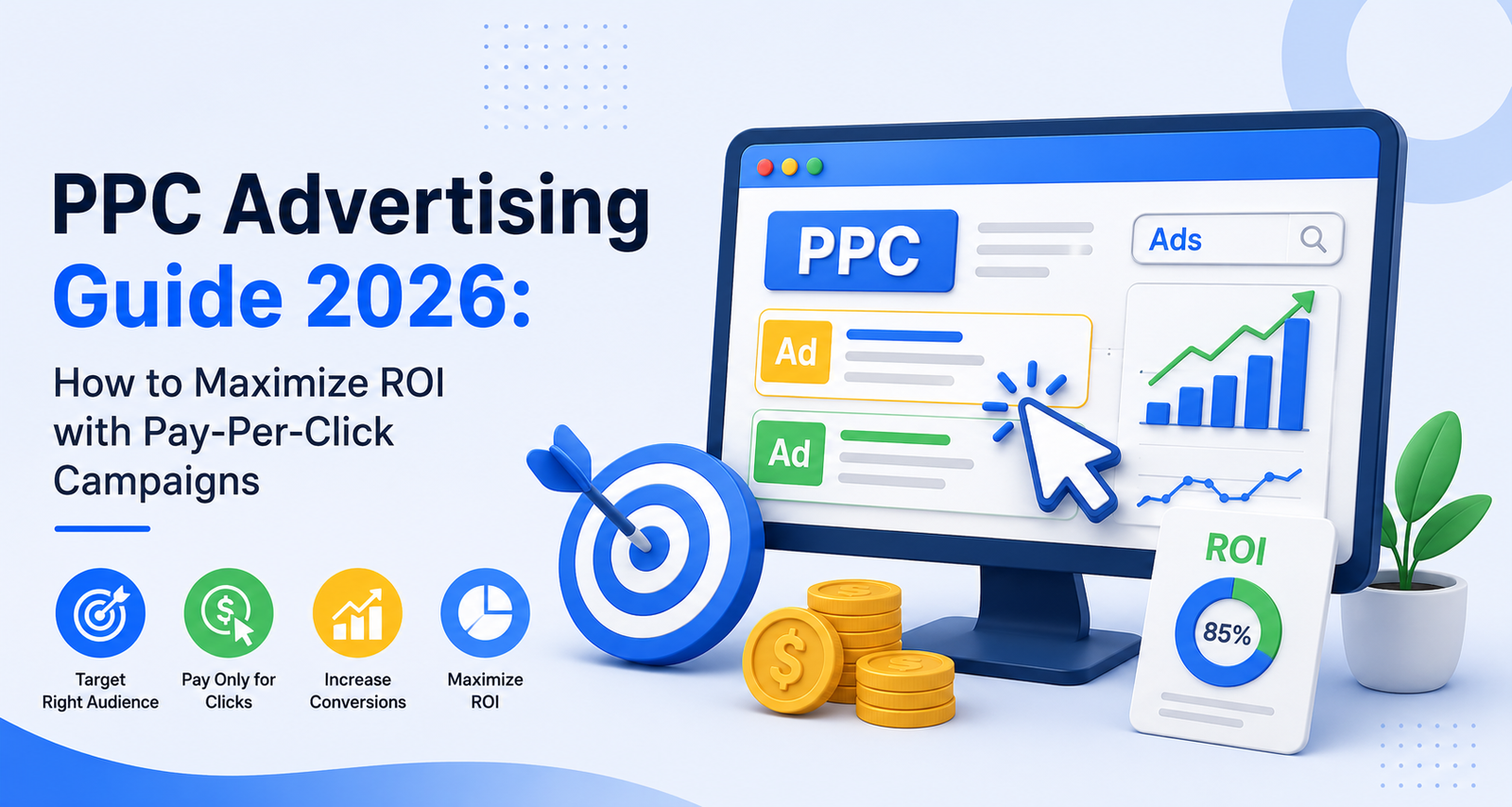
PPC Advertising Guide 2026: How to Maximize ROI with Pay-Per-Click Campaigns
Pay-per-click advertising remains one of the fastest ways to generate leads and sales — when it’s managed correctly. Done poorly, PPC drains budgets with clicks that never convert. Done well, it becomes a predictable, scalable revenue channel that delivers measurable ROI from day one. With over 20 years of combined experience managing paid campaigns across Google Ads, Microsoft Ads, and social platforms, the SkyhawkBiz team has seen firsthand what separates profitable PPC accounts from wasted ad spend. Here’s our complete 2026 guide to getting PPC right. What Is PPC Advertising? Pay-per-click (PPC) advertising is a model where advertisers pay a fee each time their ad is clicked, rather than earning visibility organically. The most common platforms include: Unlike SEO, which builds momentum over months, PPC delivers immediate visibility — your ad can appear at the top of search results the same day a campaign launches. This makes it ideal for product launches, time-sensitive promotions, and businesses that need leads now while SEO builds in parallel. Why PPC Advertising Still Delivers Strong ROI in 2026 Search advertising continues to be one of the highest-intent marketing channels available, because it targets people actively searching for a solution — not passively scrolling. A well-optimized PPC campaign lets you: Core Components of a High-Performing PPC Campaign 1. Keyword Research & Match Types Effective PPC starts with identifying commercial-intent keywords — terms searchers use when they’re ready to buy or inquire, not just browse. Using the right match types (exact, phrase, broad with smart bidding) controls how tightly your ads match search queries. 2. Ad Copy That Converts Your ad copy needs to immediately communicate value and include a clear call-to-action. Testing multiple headlines and descriptions (A/B testing) is essential — even small copy changes can shift click-through rates significantly. 3. Landing Page Alignment This is where most campaigns fail. If your ad promises “Free Consultation” but the landing page is your generic homepage, conversions suffer. Landing pages should match ad intent exactly, load fast, and have a single, obvious conversion action. 4. Quality Score Optimization Google assigns a Quality Score based on expected CTR, ad relevance, and landing page experience. Higher Quality Scores lower your cost-per-click while improving ad position — meaning better SEO-aligned landing pages directly reduce PPC costs. 5. Negative Keywords Just as important as the keywords you target are the ones you exclude. Negative keyword lists prevent your budget from being wasted on irrelevant searches (e.g., excluding “free” or “jobs” for a paid service business). Google Ads Campaign Types Explained Budgeting for PPC: What to Expect PPC costs vary widely by industry competitiveness. Legal, insurance, and home services tend to have higher cost-per-click due to high customer lifetime value, while niche B2B or local service industries often see more affordable CPCs. A healthy PPC budget strategy typically allocates: Rather than fixating on the lowest possible cost-per-click, focus on cost-per-acquisition (CPA) and return on ad spend (ROAS) — the metrics that actually reflect profitability. Common PPC Mistakes That Waste Budget PPC vs. SEO: Which Should You Prioritize? The honest answer depends on your timeline and goals. PPC delivers immediate visibility and is ideal for: SEO, meanwhile, builds a compounding, lower-cost-per-lead asset over time. The strongest strategies use both — PPC for immediate results and market testing, SEO for sustainable long-term growth. How to Choose a PPC Management Agency Look for a partner that: Measuring PPC Success: Key Metrics Understanding PPC Bidding Strategies Choosing the right bidding strategy significantly affects both cost and results. Common approaches include: Automated bidding strategies generally perform best once a campaign has accumulated sufficient conversion history (typically 30+ conversions per month) for Google’s machine learning to optimize effectively. The Role of Ad Extensions in PPC Performance Ad extensions (now called “assets” in Google Ads) expand your ad with additional information and clickable options, often improving CTR without additional cost per impression: Ads with well-configured extensions consistently see improved ad rank and lower effective costs, since they contribute positively to Quality Score. Frequently Asked Questions About PPC Advertising How much should I budget for PPC advertising? Budget depends heavily on your industry’s average CPC and your conversion goals. A useful starting approach is calculating your target number of monthly leads, multiplying by your industry’s average cost-per-conversion, and treating that as your baseline monthly budget before scaling. How quickly will I see results from PPC? Unlike SEO, PPC can generate clicks and leads within hours of launching a campaign. However, meaningful optimization and stable performance data typically take 4 to 6 weeks as the algorithm gathers conversion data. What’s the difference between PPC and social media ads? PPC (search advertising) targets people actively searching for a solution, capturing high intent. Social media ads target people based on demographics and interests while they’re browsing, which is better suited for awareness and discovery rather than immediate high-intent conversion. Do I need a separate landing page for every PPC campaign? Ideally, yes. Dedicated landing pages that match ad messaging exactly consistently outperform generic homepage traffic in both conversion rate and Quality Score. PPC Done Right Is a Growth Multiplier PPC advertising isn’t about spending the most money — it’s about spending strategically, testing constantly, and optimizing relentlessly toward profitable outcomes. Businesses that treat PPC as a data-driven discipline, rather than a “set it and hope” tactic, consistently see the strongest returns. At SkyhawkBiz, our PPC specialists bring two decades of hands-on campaign management experience to build advertising strategies that generate real leads, not just clicks. Ready to turn ad spend into measurable revenue? Get a free PPC account audit from SkyhawkBiz.
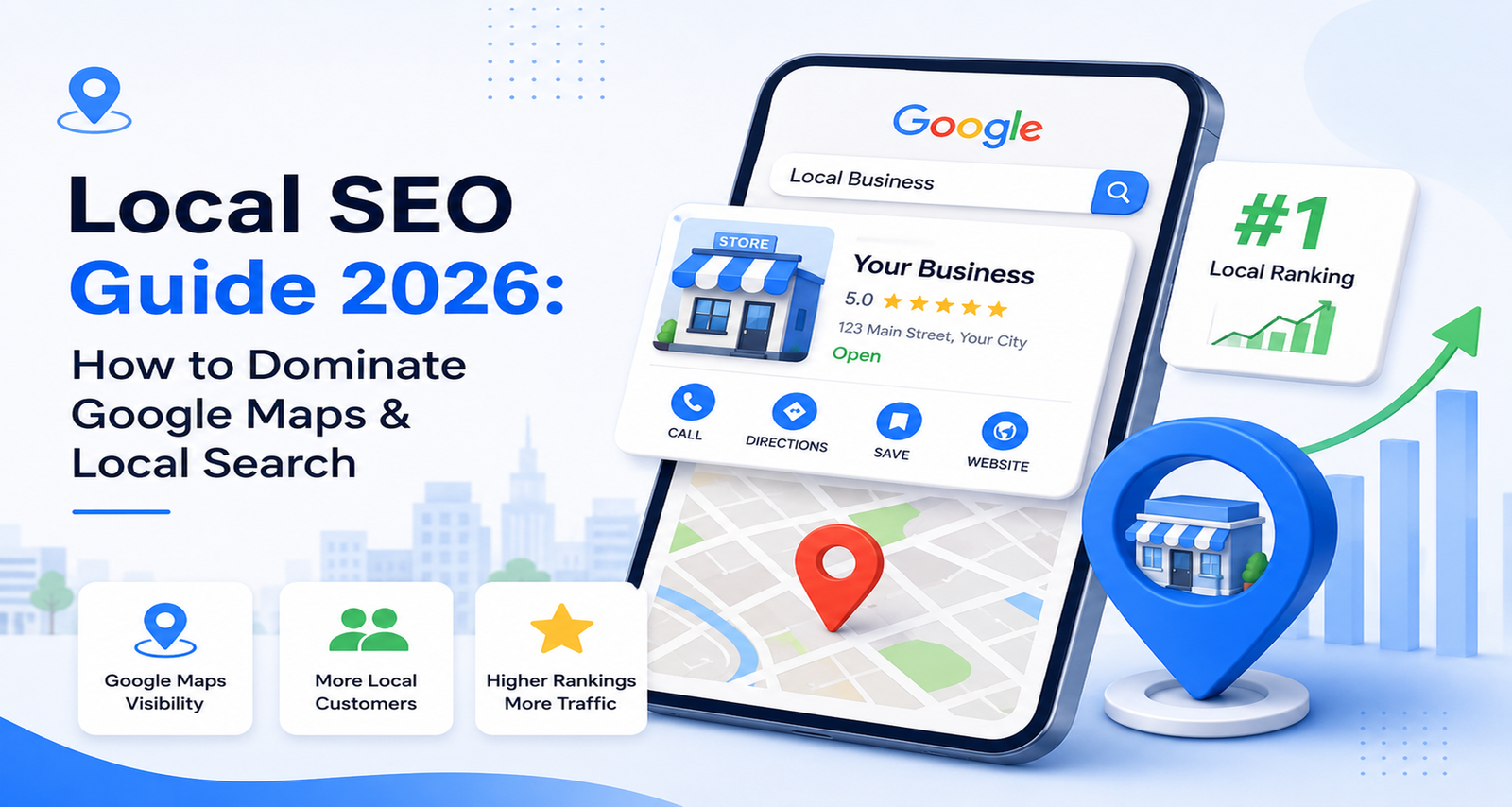
Local SEO Guide 2026: How to Dominate Google Maps & Local Search
Nearly half of all Google searches have local intent – people searching for “near me,” a service in their city, or a specific neighborhood business. If your business isn’t showing up in the local map pack when nearby customers search, you’re losing revenue to competitors who are. With over 20 years of combined digital marketing experience, the SkyhawkBiz team has helped local businesses – from single-location shops to multi-city service providers – climb to the top of local search results. This guide breaks down exactly how local SEO works and how to make it work for you in 2026. What Is Local SEO? Local SEO is the practice of optimizing your online presence to attract more business from relevant, geographically-related searches. Instead of competing nationally, you’re optimizing to be the top choice within your city, region, or service area – think “plumber in Dallas” or “coffee shop near downtown Chicago.” Local SEO centers around three primary ranking pillars that Google itself has confirmed matter most: Google Business Profile: The Foundation of Local SEO Your Google Business Profile (GBP), formerly Google My Business, is the single most important asset in local SEO. It’s what populates the map pack, the knowledge panel, and local pack results. To optimize your GBP: NAP Consistency: The Overlooked Ranking Factor NAP stands for Name, Address, Phone number. Google cross-references your NAP information across the web – your website, GBP, Yelp, Facebook, industry directories – to validate legitimacy. Inconsistent information (a wrong suite number, an old phone number on one directory) creates trust issues that can quietly suppress your rankings. Action step: Conduct a citation audit across major directories (Yelp, Bing Places, Apple Maps, industry-specific directories) at least twice a year to catch and correct inconsistencies. Online Reviews: Your Local Reputation Engine Review quantity, quality, recency, and your response rate are all confirmed ranking factors for local search. Beyond rankings, reviews directly influence whether a searcher clicks your listing over a competitor’s. Best practices: On-Page Local SEO: Optimizing Your Website Your website should reinforce your local relevance: Local Link Building & Citations Backlinks from locally relevant, authoritative sources carry significant weight: Local SEO Packages: What’s Typically Included Most local SEO packages are structured around business size and competitiveness of the local market: Common Local SEO Mistakes to Avoid Measuring Local SEO Success Track these metrics monthly: Voice Search and Local SEO With smart speakers and voice assistants now a routine part of daily life, voice search has become a meaningful contributor to local search traffic. Voice queries tend to be longer and more conversational than typed searches – “Where’s the closest bakery that’s open right now?” instead of “bakery near me.” Optimizing for voice search involves: Multi-Location Local SEO Challenges Businesses operating in multiple cities face unique complexities that single-location businesses don’t. Common challenges include: The solution is a hub-and-spoke content model, where each location page includes genuinely unique details – local team members, location-specific service offerings, neighborhood references, and local customer testimonials – rather than templated content with a city name find-and-replace. Frequently Asked Questions About Local SEO How long does local SEO take to show results? Local SEO often moves faster than broader national SEO campaigns, with many businesses seeing map pack improvements within 2 to 3 months, since local ranking factors like Google Business Profile optimization can be addressed quickly. Does my business need a physical storefront to rank locally? No. Service-area businesses without a public-facing storefront can still rank in local search by setting a defined service area within Google Business Profile and hiding their physical address, following Google’s specific guidelines for service-area businesses. How many reviews do I need to rank well locally? There’s no fixed number, but review volume relative to competitors in your specific market matters. Consistent, ongoing review generation matters more than a one-time push to a high number. Can I manage local SEO myself, or do I need an agency? Solo business owners can manage basic Google Business Profile optimization themselves. However, citation building, review generation systems, and multi-location strategy typically benefit from dedicated expertise, especially in competitive local markets. Local SEO Is Where Customers Make Decisions Local search is often the final step before a purchase decision — someone has already decided they need a service andis choosing who to call. Winning that moment requires consistent, technically sound local SEO, not a one-time GBPsetup and forget-it approach. At SkyhawkBiz, our local SEO specialists combine two decades of hands-on experience with proven local optimizationframeworks to help businesses become the obvious choice in their community. Whether you operate one storefront orserve dozens of cities, a strong local SEO foundation turns nearby searches into paying customers. Want to see how your business ranks locally right now? Request a free local SEO audit from SkyhawkBiz.
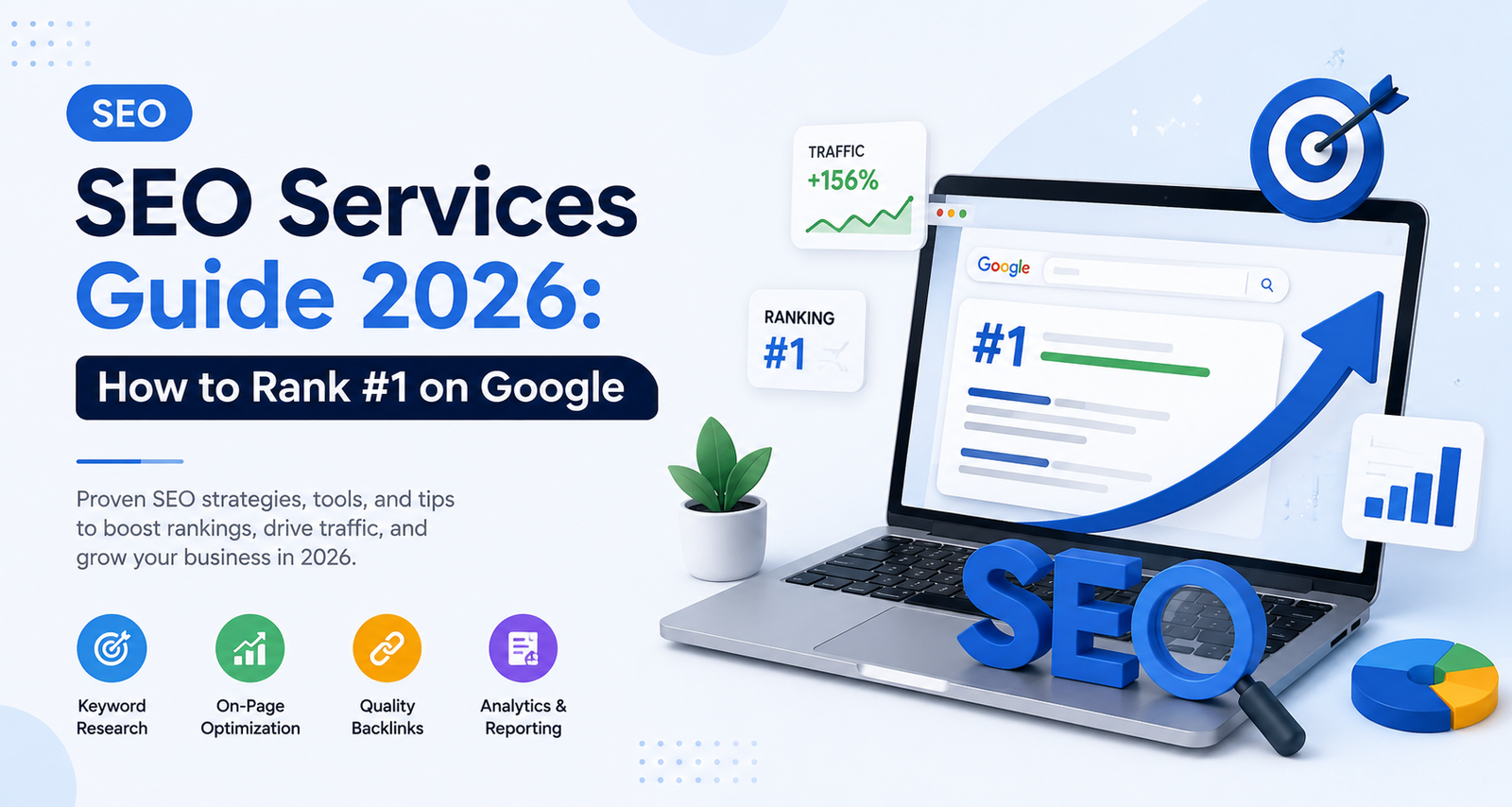
SEO Services Guide 2026: How to Rank #1 on Google
If you’ve ever typed a question into Google and clicked one of the first three results without a second thought, you already understand why SEO services have become non-negotiable for businesses in 2026. Search Engine Optimization is no longer an optional add-on to a marketing budget – it’s the single highest-ROI channel for sustainable, compounding traffic growth. At SkyhawkBiz, our team brings over 20 years of combined experience helping businesses move from page three of Google to the coveted top three positions. In this guide, we’re sharing exactly what SEO services include, how modern ranking factors work, and how to choose an SEO partner that delivers measurable results rather than vague promises. What Are SEO Services, Exactly? SEO services refer to the ongoing strategic work performed to improve a website’s visibility in organic (non-paid) search engine results. Unlike PPC advertising, where visibility disappears the moment you stop paying, SEO builds a durable asset – your rankings keep working for you long after the initial investment. A comprehensive SEO service typically includes: Why SEO Matters More Than Ever in 2026 Search behavior has shifted dramatically with the rise of AI-powered search experiences, voice search, and zero-click results. A few realities every business owner should know: Businesses that treat SEO as a one-time project rather than an ongoing discipline consistently lose ground to competitors who invest continuously. Core Google Ranking Factors to Understand While Google’s algorithm considers hundreds of signals, the ones that consistently move the needle include: How to Choose the Right SEO Services Provider Not all SEO agencies are created equal, and choosing the wrong one can waste months of opportunity. Here’s what to evaluate: 1. Transparency in Reporting A trustworthy SEO partner provides clear, regular reporting on rankings, traffic, and conversions – not vague “we’re working on it” updates. 2. Customized Strategy, Not Templates Your industry, competitors, and audience are unique. Beware of agencies offering identical, cookie-cutter packages regardless of business type. 3. White-Hat Practices Only Avoid any provider promising “guaranteed #1 rankings” overnight or using shortcuts like link farms and keyword stuffing – these tactics lead to Google penalties that can devastate a site’s visibility for years. 4. Proven Tools and Process Look for agencies using industry-standard platforms like SEMrush, Google Analytics, and Google Tag Manager for research, tracking, and optimization – this signals a data-driven approach rather than guesswork. 5. Realistic Timelines SEO is a mid-to-long-term investment. Expect meaningful movement in 3–6 months and compounding results over 12+ months. Anyone promising instant top rankings is not being straight with you. Affordable SEO Packages: What to Expect Businesses of every size can access professional SEO – you don’t need an enterprise budget to see results. Most agencies structure SEO packages around: When evaluating cost, focus less on the cheapest option and more on value per dollar – a $500/month package with no strategy behind it is more expensive in the long run than a well-executed $1,500/month plan that generates qualified leads. SEO vs. PPC: Do You Need Both? A common question we hear is whether SEO alone is enough. The honest answer: SEO and PPC work best together. PPC delivers immediate visibility while your SEO foundation builds momentum in the background. Many of the most successful campaigns we manage combine both – using PPC data to inform SEO keyword strategy, and SEO content to improve Quality Scores in paid campaigns. Measuring SEO Success: The Metrics That Matter Avoid vanity metrics. Focus on: How Long Does SEO Take to Show Results? This is the question every business owner asks, and the honest answer requires setting realistic expectations. Most websites begin to see measurable ranking improvements within 3 to 4 months of consistent, well-executed SEO work, with more substantial traffic and lead gains building between months 6 and 12. Highly competitive industries – legal services, insurance, finance – often take longer simply because established competitors have years of accumulated domain authority to overcome. Several factors influence your specific timeline: The Role of Content Freshness and Updates Google increasingly favors websites that demonstrate ongoing activity and up-to-date information, especially for topics where accuracy matters (health, finance, legal, technology). An SEO strategy shouldn’t stop at publishing new content – it should include a regular cadence of auditing and refreshing older pages. Outdated statistics, broken links, and stale information on existing pages can quietly drag down rankings even while new content is being added elsewhere on the site. A smart refresh cycle typically involves: Frequently Asked Questions About SEO Services How much do professional SEO services cost? Pricing varies widely based on competition and scope, typically ranging from a few hundred dollars per month for small local businesses to several thousand per month for competitive national campaigns. The right investment level depends on your industry’s competitiveness and growth goals. Can I do SEO myself instead of hiring an agency? Basic SEO fundamentals – claiming your Google Business Profile, writing quality content, fixing obvious technical issues – can be handled in-house. However, competitive keyword targeting, technical SEO audits, and sustainable link-building typically require dedicated expertise and tools that make professional services worthwhile for most growing businesses. Is SEO better than paid advertising? They serve different purposes. SEO builds a durable, compounding asset with a lower long-term cost per lead, while PPC delivers immediate visibility. Most successful digital strategies use both in tandem. How do I know if my SEO agency is doing a good job? Look for transparent, regular reporting tied to real business metrics – organic traffic growth, keyword ranking improvements, and lead/conversion increases – rather than vague activity updates. SEO Is a Long-Term Growth Engine SEO services are not a quick fix – they’re an investment in your business’s long-term digital foundation. Companiesthat commit to consistent, ethical, data-driven SEO consistently outperform competitors who chase short-term tactics. At SkyhawkBiz, our SEO specialists combine two decades of hands-on experience with the latest tools and Googleguideline-compliant strategies to help businesses build sustainable organic growth. Whether you’re a local businesstrying to dominate your city’s search results or a growing company aiming for national visibility, a well-executed SEOstrategy pays dividends for years. Ready to see where your website stands? Get a free SEO audit